• Melanie Potock
  • Books
  • Courses
    • On-demand Courses
    • Live On-Line Masterclasses
    • Live In-Person Courses
  • ARFID
  • Coaching
  • Free Toolbox
  • Contact Melanie
  • Login

Melanie Potock

Pediatric Feeding Expert and Author
  • Melanie Potock
  • Books
  • Courses
    • On-demand Courses
    • Live On-Line Masterclasses
    • Live In-Person Courses
  • ARFID
  • Coaching
  • Free Toolbox
  • Contact Melanie
  • Login
Menu

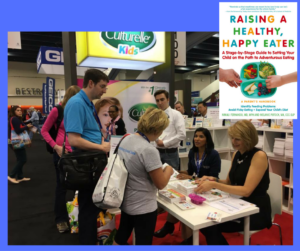
Chicago, IL – September 18, 2017 – American Academy of Pediatrics National Conference (Book Signing)

  • Seminars & Events
  • Chicago, IL – September 18, 2017 – American Academy of Pediatrics National Conference (Book Signing)
  • Seminars & Events

Chicago, IL – September 18, 2017 – American Academy of Pediatrics National Conference (Book Signing)

  • 0

Previous
Next

Newsletter

Get My Free Webinar & Newsletter

Shop Lovevery!

Lovevery

Free Shipping on all orders $75+ at Lovevery!

INSTAGRAM

mymunchbug_melaniepotock

View

Aug 23

Open
😰 Sometimes the hardest part isn’t the FOOD. It’s the FEELING.
This is #3 in my ARFID,PFD, ASD & Anxiety series.
When we see a child avoiding food, it’s easy to focus on what’s right in front of us:
The smell.
The texture.
The taste.
The appearance.
And yes, those things can absolutely matter.
 
But for many children with ARFID, we also need to pay close attention to what happens before they ever take a bite.
The worry.
The anticipation.
The physical feeling of anxiety.
The urge to AVOID.
And avoidance works…temporarily.
 
The child avoids the food → anxiety decreases → the brain learns, “Avoiding this made me feel better.”
And that can make avoidance even more powerful the next time.
 
It’s why I use this analogy when I teach:
“Having ARFID is like desperately wanting to learn to swim, but being too scared to approach the water.”
❤️ Our job isn’t simply to get them into the water. It’s to help them learn, one carefully supported step at a time, that they can approach it.
 
Hope you’re finding this series helpful! More to come!
👉🏼 Follow for #4 in my ARFID, Autism & Anxiety series.
 
♥️Melanie
Melanie Potock - ARFID | Autism | Anxiety | Food Avoidance | Anxious Eater | Feeding Therapy | Pediatric Feeding | Picky Eating

😰 Sometimes the hardest part isn’t the FOOD. It’s the FEELING.
This is #3 in my ARFID,PFD, ASD & Anxiety series.
When we see a child avoiding food, it’s easy to focus on what’s right in front of us:
The smell.
The texture.
The taste.
The appearance.
And yes, those things can absolutely matter.

But for many children with ARFID, we also need to pay close attention to what happens before they ever take a bite.
The worry.
The anticipation.
The physical feeling of anxiety.
The urge to AVOID.
And avoidance works…temporarily.

The child avoids the food → anxiety decreases → the brain learns, “Avoiding this made me feel better.”
And that can make avoidance even more powerful the next time.

It’s why I use this analogy when I teach:
“Having ARFID is like desperately wanting to learn to swim, but being too scared to approach the water.”
❤️ Our job isn’t simply to get them into the water. It’s to help them learn, one carefully supported step at a time, that they can approach it.

Hope you’re finding this series helpful! More to come!
👉🏼 Follow for #4 in my ARFID, Autism & Anxiety series.

♥️Melanie
Melanie Potock - ARFID | Autism | Anxiety | Food Avoidance | Anxious Eater | Feeding Therapy | Pediatric Feeding | Picky Eating
...

14 1

mymunchbug_melaniepotock

View

Aug 22

Open
There’s a BIG difference between a hesitant eater and a truly anxious eater.
This is #2 in my ARFID, PFD, Autism & Anxiety series, and understanding that difference matters.
 
⚠️Some hesitation around unfamiliar foods can be a normal part of learning to eat. A child may need time, repeated exposure & lots of opportunities to become comfortable.
 
😟But when anxiety becomes a significant part of the picture, we need to look deeper.
👉🏻Is this child simply hesitant?
👉🏻Are we seeing picky eating?
👉🏻Could there be a Pediatric Feeding Disorder?
👉🏻Could this be ARFID?
👉🏻Could an anxiety disorder be contributing to what we’re seeing at the table?
👉🏻Is there another diagnosis to consider, like ASD?
 
❤️ Because the question isn’t always just:
“How picky is this child?”
Sometimes the more important question is:
“How anxious is this child about eating?”
And recognizing that difference can change how we support them.
 
👋🏼Follow along for #3 in my ARFID, PFD, Autism & Anxiety series.  Send this to a friend who may want to follow too, and save it for future reference!
 
🙂Melanie
 
Melanie Potock - ARFID | Autism | Anxiety | Pediatric Feeding Disorder | PFD | Anxious Eater | Picky Eating | Feeding Therapy

There’s a BIG difference between a hesitant eater and a truly anxious eater.
This is #2 in my ARFID, PFD, Autism & Anxiety series, and understanding that difference matters.

⚠️Some hesitation around unfamiliar foods can be a normal part of learning to eat. A child may need time, repeated exposure & lots of opportunities to become comfortable.

😟But when anxiety becomes a significant part of the picture, we need to look deeper.
👉🏻Is this child simply hesitant?
👉🏻Are we seeing picky eating?
👉🏻Could there be a Pediatric Feeding Disorder?
👉🏻Could this be ARFID?
👉🏻Could an anxiety disorder be contributing to what we’re seeing at the table?
👉🏻Is there another diagnosis to consider, like ASD?

❤️ Because the question isn’t always just:
“How picky is this child?”
Sometimes the more important question is:
“How anxious is this child about eating?”
And recognizing that difference can change how we support them.

👋🏼Follow along for #3 in my ARFID, PFD, Autism & Anxiety series. Send this to a friend who may want to follow too, and save it for future reference!

🙂Melanie

Melanie Potock - ARFID | Autism | Anxiety | Pediatric Feeding Disorder | PFD | Anxious Eater | Picky Eating | Feeding Therapy
...

18 1

mymunchbug_melaniepotock

View

Aug 22

Open
👋🏼Welcome to #1 in my new ARFID, PFD, Autism & Anxiety series.

Over the next several Reels, I’m going to break down some of the concepts I teach in my professional courses into short, practical conversations for parents AND feeding professionals.
 
And here’s where I want to start:
Before we decide HOW to help a child eat, we need to understand WHY eating is hard.

🤔Could this child have a Pediatric Feeding Disorder (PFD)?
🤔Could it be ARFID?
🤔What role might anxiety be playing?
🤔How about other diagnosis, like autism?
 
PFD is impaired oral intake that isn’t age-appropriate and is associated with medical, nutritional, feeding skill and/or psychosocial dysfunction. Conservative estimates suggest PFD affects more than 1 in 37 children under age 5 in the United States each year.

Autism is a spectrum, as is selective eating. Autistic kids are 15 times more likey to be selective eaters.
 
♥️And regardless of a child’s other diagnoses, they deserve a thorough evaluation that looks at the whole child, rather than simply labeling them “picky.”
 
❤️ Because when we better understand what’s driving the feeding difficulty, we can build the right team & provide the right kind of support.
 
📌Save this one & follow along. Reel #2 is all about the difference between a hesitant eater and a truly anxious eater. Send this to a friend who would like to follow along too, or save it for future reference!
 
🙂Melanie
 
Melanie Potock- ARFID | Autism | Anxiety | Pediatric Feeding Disorder | PFD | Feeding Therapy | Anxious Eater | Picky Eating

👋🏼Welcome to #1 in my new ARFID, PFD, Autism & Anxiety series.

Over the next several Reels, I’m going to break down some of the concepts I teach in my professional courses into short, practical conversations for parents AND feeding professionals.

And here’s where I want to start:
Before we decide HOW to help a child eat, we need to understand WHY eating is hard.

🤔Could this child have a Pediatric Feeding Disorder (PFD)?
🤔Could it be ARFID?
🤔What role might anxiety be playing?
🤔How about other diagnosis, like autism?

PFD is impaired oral intake that isn’t age-appropriate and is associated with medical, nutritional, feeding skill and/or psychosocial dysfunction. Conservative estimates suggest PFD affects more than 1 in 37 children under age 5 in the United States each year.

Autism is a spectrum, as is selective eating. Autistic kids are 15 times more likey to be selective eaters.

♥️And regardless of a child’s other diagnoses, they deserve a thorough evaluation that looks at the whole child, rather than simply labeling them “picky.”

❤️ Because when we better understand what’s driving the feeding difficulty, we can build the right team & provide the right kind of support.

📌Save this one & follow along. Reel #2 is all about the difference between a hesitant eater and a truly anxious eater. Send this to a friend who would like to follow along too, or save it for future reference!

🙂Melanie

Melanie Potock- ARFID | Autism | Anxiety | Pediatric Feeding Disorder | PFD | Feeding Therapy | Anxious Eater | Picky Eating
...

21 1
Follow Melanie on Instagram

Blog & Article Topics

  • Autism (7)
  • Challenges at School (9)
  • Feeding Babies (49)
  • Feeding Therapy (59)
  • Feeding Toddlers to School Age (58)
  • Medical Concerns (28)
  • Mind Awareness (2)
  • Miscellaneous (1)
  • Parenting (10)
  • Parenting a Picky Eater (106)
  • Product Consulting (3)
  • Seminars & Events (55)
  • Sensory Concerns (11)
  • Speech Development (2)
  • Speech Therapy (1)
  • Testimonial Parent (6)
  • Testimonial PITK Course (9)
  • Testimonial Seminars (4)
  • Yoga Training (3)

Blog Archives

Website Usage

The information on this web site should not be considered medical advice. It is educational in nature. Should you have any concerns about your child's weight, health or eating habits, please consult with your child's physician.
Disclaimer
Privacy Policy
Terms

Contact Melanie

Melanie can be reached on the Contact page.

PRESS Inquiry

Please contact Melanie at melanie@mymunchbug.com


© Copyright 2023 My Munch Bug LLC. All rights reserved.
  • Website Privacy Policy
  • Website Terms
  • Website Disclaimer
Login

Lost Your Password?
My Munch Bug LLC